Wellesley Hills Roofing Contractor for Slate, Copper & Ice-Dam-Ready Roofs
Wellesley Hills roofs take a beating. Fifty-plus inches of snow in a heavy winter, weeks of freeze-thaw cycles and nor'easter gusts topping 50 mph all hit steep colonial and Tudor rooflines full of valleys, dormers and chimney flashing. Ice dams back water up under shingles. Old slate cracks and slips. Copper box gutters rot from the inside where you can't see it. Wellesley Hills Roofing installs and repairs slate, cedar, copper and architectural shingle roofs built for this climate. Every project gets ice and water barrier and carefully detailed flashing, because that's what keeps water out of your ceilings come February.
Our crews work on the roofs that make this area what it is: 1920s Tudors near Wellesley Hills Square, Shingle Style homes in Wellesley Farms, post-war Capes in Needham Heights and big newer homes in Weston and Dover. We fix chimney and skylight leaks, clear ice dams and correct the attic ventilation that causes them in the first place. You'll get a thorough inspection, a detailed written proposal and permit handling, plus crews who protect your landscaping, stone walls and driveway like it's their own.
- ✓Bonded roofing contractor
- ✓Fully insured crews
- ✓Financing available
- ✓Serving a 20-mile radius around Wellesley Hills
- ✓Ice and water barrier included on every project
- ✓Permit handling with local building departments
- ✓Landscaping and property protection on every job
Request Your Free Estimate
No obligation. Fast, honest quotes.
Thank you — your request was sent!
A member of the Wellesley Hills Roofing team will reach out shortly. Need help now? Call (781) 752-4196.
Why Wellesley Hills Homes Need a Specialized Roofing Contractor
A roof here has to handle hard winters, coastal storms, heavy tree cover and some of the oldest, most complex architecture in Massachusetts, often all at once. Here's why the climate, the houses and the regulations in Wellesley Hills and the surrounding towns call for a contractor who knows this area.
Snow, Freeze-Thaw Cycles and Nor'easters
MetroWest gets roughly 45–50 inches of precipitation a year, and seasonal snowfall usually lands between 45 and 60 inches, sometimes far more. Remember February 2015? January lows sit in the mid-to-upper teens, and from December through March, temperatures cross the freezing line over and over. That's what builds ice dams. Attic heat melts snow on the upper roof, and the water refreezes at the cold eaves, then backs up under shingles into soffits and walls. Nor'easters add heavy wet snow and gusts that can top 50–60 mph, which lift shingle tabs and strip ridge caps. Late-season tropical systems like Irene, Sandy and Henri brought wind-driven rain too. In summer, roof surfaces get far hotter than the low-80s air, so south- and west-facing asphalt slopes age faster. Under the oak, maple and white pine canopy, shaded north slopes grow moss and gutters clog with debris.
A Century of Complex, Steep Rooflines
Housing in Wellesley Hills and its neighbors spans more than 130 years. Victorians, Queen Annes and Shingle Style homes cluster near the commuter rail villages, including Wellesley Farms, Auburndale and West Newton. They have turrets, stacked dormers, deep valleys and original slate or wood shingle. Tudor Revival and Garrison Colonials from the 1920s–40s often have slate, copper valleys and built-in Yankee box gutters that can hide rot for years. Needham, Natick and Westwood are full of 1950s–60s Capes and ranches, many on a second or third asphalt roof with under-ventilated attics. Knee-wall Capes are especially prone to ice dams. Since the 1990s, large replacement homes in Wellesley, Weston and Dover have gone up with high-pitch, many-plane roofs in slate, cedar, standing-seam and copper. Lincoln's mid-century moderns and the flat rear roofs on Brookline and Watertown two-families need membrane systems.
Permits, Energy Codes and Historic Districts
Massachusetts builds to 780 CMR, the state version of the IRC/IBC. Reroofing generally needs a permit from each town's building department. The code requires ice barrier membrane extending at least 24 inches inside the exterior wall line, and it limits roofs to two layers of asphalt shingles. That's why many older homes need a full tear-off. Wellesley, Newton, Brookline, Lincoln and Weston have adopted the Stretch or Specialized Energy Code, which shapes insulation and ventilation decisions during a reroof. Inside local historic districts, a certificate of appropriateness may be required before changing visible roofing materials. Examples include Wellesley's Cottage Street district, Newton's Chestnut Hill and Newton Upper Falls districts, and districts in Brookline and Weston. On pre-1978 homes, lead-safe practices apply when crews disturb painted fascia and trim.
Homeowners Who Invest for the Long Haul
Median home values in Wellesley, Weston, Dover, Lincoln and Needham commonly run well over $1 million, and most homes are owner-occupied by families who stay for the schools. These homeowners research carefully and expect premium materials, real craftsmanship and spotless cleanup that protects curb appeal and historic character. Many are also thinking about energy efficiency and solar readiness, and Mass Save incentives for insulation and air sealing pair well with a reroof. In Waltham, Watertown, Framingham and Arlington, landlords and multi-family owners care most about reliable, cost-effective roofs. Pre-sale inspections and buyer-requested replacements keep demand steady across the whole area.
Common Roofing Problems in Wellesley Hills and Nearby Towns
Most of the roof failures we see around Wellesley Hills come from the same few causes: winter ice, aging flashing, historic materials past their prime and tree-heavy lots. Knowing why each problem happens here makes it easier to spot early and fix right the first time.
Ice Dams and Interior Water Damage Emergency
An ice dam is a ridge of ice that forms along the eaves when snow melts higher on the roof and refreezes at the cold overhang. Meltwater pools behind it, works under shingles and leaks into soffits, exterior walls and ceilings below.
Why it's common hereWellesley Hills gets weeks of freeze-thaw cycling every winter, and many homes leak heat into the attic. Knee-wall Capes, finished third floors in older colonials and recessed lights cut into top-floor ceilings all warm the roof deck. Clogged gutters under mature oaks and maples make it worse by holding slush at the eave. A new roof alone rarely fixes it. If the insulation and ventilation stay the same, the dams come back the next January. That's why we look at the attic as well as the shingles.
Signs you'll notice- Thick icicles hanging from gutters and eaves
- Water stains on ceilings near exterior walls
- Peeling paint or bubbling on interior walls below the roofline
- Ice building up behind gutters or on soffits
- Damp or frosty attic sheathing
- Snow melting unevenly on the upper roof while the eaves stay loaded
We see it most on 1950s Capes in Needham Heights and Natick, finished-attic colonials in Poets' Corner and Cliff Estates, and older Newton homes with Yankee gutters. Big snowfall years like 2015 bring widespread calls across every town we serve.
Our fix: We remove ice safely with low-pressure steam, repair damaged roofing and ice barrier, and correct the attic ventilation, air sealing or heat cable layout so the dams don't keep coming back.
Chimney Flashing Failure Serious
Chimney flashing is the metal step and counter-flashing that seals the joint between masonry and roof. When it lifts, corrodes or the mortar holding it cracks, water runs down the chimney chase into framing, attic and interior walls.
Why it's common hereMany homes around Wellesley Hills have large brick chimneys that are 70 to 120 years old, often with flashing that's been patched with roofing cement more than once. Freeze-thaw cycles crack mortar joints and push counter-flashing out of its reglet. Nor'easter rain drives sideways into any gap. Mixed metals are another issue. When aluminum or galvanized flashing has been patched next to copper, galvanic corrosion speeds up the damage. Slow chimney leaks often go unnoticed until plaster stains or rot show up.
Signs you'll notice- Stains on the ceiling or wall beside the chimney
- Black tar or caulk smeared over flashing
- Loose or missing counter-flashing
- Cracked mortar joints above the roofline
- Musty smell in the attic near the chimney
- Efflorescence (white residue) on interior brick
Common on Tudors and Colonial Revivals near Wellesley Hills Square and Wellesley Farms, and on Belmont Hill and Chestnut Hill homes with multiple chimneys. Leaks usually show up during wind-driven nor'easter rain.
Our fix: Remove old patches, install new step and counter-flashing cut into mortar joints, add a cricket on wide chimneys, and match copper where it exists.
Cracked, Slipped or Missing Slate Moderate
Natural slate can last a century or more, but individual slates crack, delaminate or slide out when their nails rust through. One missing slate exposes the felt and deck below and lets water into the roof system.
Why it's common hereA lot of the original slate roofs on 1900s–1940s homes here are near the end of their fastener life, even when the stone itself is still sound. Ice expanding in hairline cracks splits weaker slates, limbs falling from white pines break them, and well-meaning repairs by generalists who walk on slate cause more damage. Mismatched replacements and face-nailed repairs are common on homes in Newton and Brookline. Slate needs slate hooks, matching stone and crews who know how to work on it without breaking it.
Signs you'll notice- Slates sitting lower than their neighbors
- Broken pieces in gutters or on the lawn
- Visible felt or wood through gaps
- Rusty nail heads or copper bibs on the slate surface
- Flaking or powdery slates
- Leaks after heavy rain
Concentrated in Wellesley Farms, Waban, Auburndale, Chestnut Hill, Coolidge Corner and Belmont Hill, where Tudor and Colonial Revival homes still carry original Vermont and Pennsylvania slate.
Our fix: Replace damaged slates with matched stone using slate hooks or copper nails, re-secure slipped pieces, and assess whether flashing or underlayment needs a section-by-section restoration.
Rotted Box Gutters and Fascia Serious
Box gutters, or Yankee gutters, are built into the roof edge and lined with metal or membrane. When the lining fails, water soaks the wood structure underneath, rotting fascia, soffits, rafter tails and sometimes wall framing.
Why it's common hereBox gutters were standard on 1920s–1940s colonials and older Victorians in this area. Their linings have been relined, coated or patched over decades, and most hide the damage until it's serious. Ice and snow sit in them all winter, and leaves from the dense tree canopy clog the outlets. Many generalists just cover the problem with aluminum, which traps the rot. Repairs on pre-1978 homes also call for lead-safe practices because of the painted trim.
Signs you'll notice- Peeling or blistering paint on fascia and soffits
- Soft or sagging gutter edge
- Water staining on exterior siding below the gutter
- Plants or moss growing in the gutter
- Ice spilling over the face of the trim
- Carpenter ant or rot activity at the eaves
Very common on Garrison and Colonial Revival homes in Wellesley Hills, Newton Centre, West Newton and Belmont. Often discovered during pre-sale inspections when buyers' inspectors probe the trim.
Our fix: Rebuild rotted wood, then reline with copper or a modern membrane, or convert to a hung gutter where historic rules allow. Ice barrier tie-in is included.
Wind-Lifted and Missing Shingles Emergency
Strong gusts break the adhesive seal on asphalt shingles, lift tabs, crease them or tear them off entirely. Ridge caps and rake edges go first, leaving underlayment and nail holes exposed to rain.
Why it's common hereNor'easters and tropical storm remnants regularly push gusts past 50 mph across MetroWest. Older 3-tab roofs on post-war homes are especially vulnerable because the sealant strips have dried out, and shingles installed in cold weather sometimes never sealed properly at all. Falling limbs from mature trees add impact damage. After a big storm, insurers want prompt documentation, and an open roof can let in water within hours.
Signs you'll notice- Shingles or ridge caps in the yard after a storm
- Creased or bent tabs visible from the ground
- Exposed black underlayment
- Granules piled in gutters or downspout outlets
- Leaks appearing after wind-driven rain
- Limbs resting on the roof
We see clusters after nor'easters in Natick, Framingham, Westwood and Dedham neighborhoods with 1960s ranches, and tree-fall damage in heavily wooded parts of Weston, Dover and Sudbury.
Our fix: Emergency tarping, photo documentation for your insurance claim, then permanent shingle replacement with properly sealed, hand-tabbed shingles or a full reroof if the roof is past repair.
Skylight and Valley Leaks Moderate
Skylights and roof valleys channel or interrupt large volumes of water. Worn skylight flashing kits, failed seals or undersized valley metal let water past the roof surface, often far from where the stain shows up inside.
Why it's common hereLarge homes in Wellesley, Weston and Lincoln have many intersecting roof planes, and each valley concentrates snowmelt and rain. Skylights installed in the 1980s and '90s have usually outlived their seals and flashing kits. Pine needles and oak leaves pile up in valleys and on the uphill side of skylights, holding water and ice. Steep, multi-plane roofs make it hard to trace leaks, so diagnosis takes experience.
Signs you'll notice- Drips or condensation around the skylight frame
- Stained drywall at the skylight well
- Debris buildup in valleys
- Worn or rusted valley metal
- Ice buildup on the uphill side of skylights
- Leaks that appear only in certain wind directions
Common in 1980s–2000s homes in Cliff Estates, Dover Center and Weston Town Center, and on renovated Victorians with added skylights in Auburndale and Newton Centre.
Our fix: Water-test to pinpoint the source, replace skylight flashing or the unit itself, and rebuild valleys with ice barrier and open metal or properly woven shingles.
Moss, Algae and Premature Shingle Aging Minor
Dark streaks from algae and green moss mats grow on shaded, damp roof slopes. Moss holds moisture against shingles, lifts edges and speeds granule loss. Meanwhile, summer heat breaks down shingles on sunny slopes faster.
Why it's common hereThe tree canopy that makes Wellesley Hills so attractive keeps north slopes shaded and damp for days after rain. Humid summers feed algae, and needle and leaf debris trap moisture. On the opposite side of the house, south- and west-facing slopes bake well above air temperature, so one roof can age unevenly. Cedar shake roofs under trees can also grow moss and rot early if they don't get enough airflow.
Signs you'll notice- Black or dark green streaks on shingles
- Moss clumps along shingle edges
- Curling or cupping shingles on sunny slopes
- Heavy granule loss in gutters
- Soft or split cedar shakes
- Shingles that look noticeably older on one side
Typical on wooded lots in Wellesley Lower Falls, South Natick, Waban, Lincoln and Sudbury, and on north-facing slopes throughout Wellesley Hills neighborhoods.
Our fix: Gentle cleaning and zinc or copper strip treatment, gutter guard installation and trimming recommendations. Algae-resistant shingles or cedar restoration are options when it's time to reroof.
Roofing Services for Wellesley Hills Homes and Buildings
We handle the whole roof system: the surface material, plus the flashing, ventilation, gutters and attic conditions that decide whether it lasts. Below is how each service fits the homes and weather of Wellesley Hills and the surrounding towns. A thorough inspection always comes first, so you only pay for what your roof actually needs.
Slate, Copper, Cedar Shake & Tile Roofing ⭐ Specialty
We install, repair and restore natural slate, copper roofing and accents, cedar shake and tile roofs. That includes matching historic slate, rebuilding copper valleys and flashing, and installing new premium roofs on custom homes.
Our approachSlate hooks and copper nails for repairs, soldered copper seams, proper headlap on slate, and breathable underlayment for cedar. Ice and water barrier goes in at eaves, valleys and penetrations on every installation, and we try to save sound original material where possible.
In Wellesley Hills, MAIdeal for Tudors and Colonial Revivals in Wellesley Farms, Chestnut Hill and Belmont Hill, as well as estate homes in Weston and Dover. We also prepare the material details for historic district review when a certificate of appropriateness is needed.
Best for: Homeowners with original slate or copper they want to preserve, historic-district properties, and anyone building or reroofing a high-end home with materials meant to last for generations.
Ice Dam Removal & Winter Roofing ⭐ Specialty
We cover professional ice dam removal, roof snow removal, gutter ice removal, heat cable and tape installation, ice dam leak repair, winter roof leak repair, water damage repair from ice dams, and winter roof replacement when it can't wait.
Our approachLow-pressure steam removes ice without gouging shingles. No hammers, no salt pucks. We clear snow while leaving a protective layer, then trace the leak path. Heat cable is laid out to keep drainage paths open, and roofing work is limited to temperatures the materials can handle.
In Wellesley Hills, MABuilt for MetroWest winters with 45–60 inches of snow and constant freeze-thaw. We see heavy demand from knee-wall Capes in Needham and Natick and finished-attic colonials in Wellesley after every big storm.
Best for: Homes with active ice dams, ceiling leaks during thaws, heavy snow loads, or a history of winter water damage that keeps coming back.
Roof Replacement & New Roof Installation
We handle full roof replacement and roof installation for new construction or additions, including tear-off, deck repair, underlayment, ice barrier, flashing, ventilation and finish roofing. Winter roof replacement is available when conditions allow.
Our approachComplete tear-off whenever there are already two layers, as Massachusetts code requires. We replace rotted sheathing, install ice barrier at least 24 inches inside the wall line (usually more), add new drip edge and flashing everywhere, and balance ridge and soffit ventilation.
In Wellesley Hills, MACommon on 1950s–60s Capes and ranches in Needham, Westwood and Framingham with multiple old layers, and on Wellesley colonials with failing shingle roofs. We also check Stretch Code ventilation and insulation requirements where they apply.
Best for: Roofs past 20–25 years, roofs with repeated leaks, multiple layers, widespread curling or granule loss, or homes heading to market.
Asphalt & Architectural Shingle Roofing
We install asphalt shingles, including architectural shingles, designer shingles and 3-tab shingle roofing, and handle roof shingle repair for wind damage, missing tabs and worn sections.
Our approachManufacturer-specified nailing patterns, starter strips at eaves and rakes, and hand-sealing when it's cold. We offer algae-resistant options for shaded lots and dimensional profiles that suit colonial and Tudor architecture.
In Wellesley Hills, MAArchitectural shingles are the most popular choice for Wellesley Hills colonials and Needham Heights homes. They hold up better in nor'easter winds and cost far less than slate, while still adding real curb appeal.
Best for: Most single-family homes wanting durable, attractive, cost-effective roofing, and owners replacing worn 3-tab roofs from the 1990s and 2000s.
Metal Roofing: Standing Seam, Steel & Corrugated
We cover metal roof installation, standing seam metal roofs, steel roofing, corrugated metal roofing, residential metal roofing, metal roof repair, and roof flashing for metal and steel roofs.
Our approachConcealed-fastener standing seam panels with room for thermal movement, high-temp underlayment, and snow guards placed to keep sliding snow away from walkways, decks and plantings. Flashing is matched to the panel metal to avoid corrosion.
In Wellesley Hills, MAStanding seam sheds snow well and works nicely on porch roofs, modern additions in Weston and Lincoln, and full roofs on contemporary homes. It's also a solid base for solar panels.
Best for: Homeowners who want a 40–70-year roof, better snow shedding, a modern or farmhouse look, or a solar-ready surface.
Flat Roofing: TPO, EPDM & Coatings
We do flat roof repair and replacement, TPO roofing, EPDM rubber roofing, roof coating application and roof waterproofing for low-slope sections, porches, dormers and full flat roofs.
Our approachFully adhered or mechanically attached membranes with tapered insulation to remove ponding. Seams are heat-welded on TPO, and edge metal and scuppers are properly terminated. On sound roofs, a coating can add years before replacement.
In Wellesley Hills, MAEssential for Lincoln and Weston mid-century moderns, flat rear roofs on Brookline, Watertown and Arlington two-families and triple-deckers, and flat dormers throughout Newton.
Best for: Low-slope roofs that pond water, aging tar-and-gravel or rolled roofing, and property owners who want reliable membranes with low maintenance.
Roof Repair, Leak Detection & Emergency Service
We provide roof repair, roof leak detection and repair, roof damage repair, roof patching, emergency roof repair, emergency roof tarping and roof tarp installation after storms or tree falls.
Our approachSystematic water testing and attic inspection to find the real entry point. After storms, we secure the roof with properly fastened tarps and document the damage with photos for your insurance adjuster, then make permanent repairs in matching materials.
In Wellesley Hills, MANor'easters and wind and ice storms bring down limbs across wooded Weston, Dover, Sudbury and Wellesley. Fast tarping limits interior damage while claims are processed.
Best for: Active leaks, storm or tree damage, and isolated problems on roofs that still have useful life left.
Flashing, Chimney & Skylight Leak Repair
We handle chimney flashing repair, chimney leak repair, skylight leak repair, roof flashing, drip edge flashing and steel roof flashing at walls, dormers, valleys and penetrations.
Our approachWe remove tar patches and install new step and counter-flashing cut into mortar joints, crickets behind wide chimneys, and copper, aluminum or steel to match the roof. Skylight flashing kits or full skylight replacement as needed.
In Wellesley Hills, MAOld brick chimneys on Wellesley Hills and Belmont Tudors and aging skylights on Weston and Dover homes are among the most common leak sources we trace.
Best for: Leaks near chimneys, skylights or walls, and any roof where flashing has been patched with caulk or tar.
Ventilation, Soffit & Fascia, Gutter Guards
We install roof ventilation, soffit and fascia (including rotted box gutter areas), and gutter guards that keep leaves and pine needles out of drainage paths.
Our approachWe calculate intake and exhaust balance, add continuous ridge and soffit vents, install baffles to keep insulation from blocking airflow, and replace rotted fascia following lead-safe practices on pre-1978 homes.
In Wellesley Hills, MAPoor ventilation is the hidden cause behind many ice dams in Wellesley and Needham. Gutter guards help a lot under the oak and pine canopy.
Best for: Homes with ice dams, hot attics, peeling eave paint, rotted trim or gutters that clog every fall.
Inspection, Maintenance, Restoration & Commercial Roofing
We offer roof inspections, roof maintenance plans, roof restoration, plus commercial roofing and commercial roof repair for small buildings, offices and mixed-use properties.
Our approachDetailed photo inspection reports, seasonal maintenance visits, moss treatment, sealant and fastener checks, and restoration of slate or cedar roofs. On commercial jobs, we do membrane repair and replacement.
In Wellesley Hills, MAPre-sale inspections are in steady demand across Wellesley and Newton, and we maintain small commercial roofs near Wellesley Hills Square, Needham and Waltham.
Best for: Buyers and sellers, owners of premium roofs protecting their investment, and small commercial property owners.
Our Roofing Process, From First Call to Final Cleanup
Big multi-plane roofs, historic materials and tight permit timelines all take a clear plan. Here's what to expect when you work with Wellesley Hills Roofing.
Thorough Roof & Attic Inspection
- Close inspection of roofing, flashing, valleys, gutters and chimneys
- Attic check for insulation, ventilation, moisture and decking condition
- Photo documentation of every problem we find
- Conversation about your goals, budget and timeline
Local note: On homes with ice dam history, we focus on attic heat loss and eave details, not just the shingles.
Detailed Written Proposal
- Line-item scope covering materials, underlayment, ice barrier and flashing
- Options where they make sense (repair vs. replace, material choices)
- Allowances explained for possible decking replacement
- Financing options reviewed if you'd like them
Local note: On 1950s–60s homes, we flag the chance of multiple layers and rotted sheathing up front so there are no surprises.
Permits & Approvals
- Building permit filed with your town's building department
- Historic commission documentation prepared if required
- Material ordering and delivery scheduling
- Dumpster and staging plan confirmed
Local note: Projects in districts like Wellesley's Cottage Street or Newton's Chestnut Hill may need a certificate of appropriateness, and in Brookline or Watertown we plan for street parking and dumpster logistics.
Installation by Experienced Crews
- Landscaping, stone walls and hardscape protected with tarps and plywood
- Tear-off and deck repair as needed
- Ice and water barrier, drip edge and flashing installed
- Finish roofing, ventilation and trim completed
Local note: Steep Tudor and estate roofs need careful staging and safety setup, and cold-weather work follows the manufacturer's temperature guidelines.
Final Walkthrough & Cleanup
- Magnetic sweep for nails across lawn, beds and driveway
- Debris and dumpster removed
- Walkthrough with you and photos of completed work
- Final permit inspection coordinated
Local note: You'll get maintenance tips for your specific roof and tree cover, including gutter care before winter.
Why Homeowners Choose Wellesley Hills Roofing
We Know Wellesley Hills Roofs
We work on the houses that define this area: slate-roofed Tudors near Wellesley Hills Square, Shingle Style homes in Wellesley Farms, knee-wall Capes in Needham Heights and big newer homes in Weston and Dover. Each has its own weak spots. Box gutters rot from the inside, old chimneys lose their flashing, and finished attics leak heat that turns into ice dams. Local experience means we know where to look, what to expect when the old roof comes off, and how to build a new one for our snow loads and nor'easter winds.
Bonded and Insured for Your Protection
Roofing is high-risk work, especially on steep, three-story rooflines. Wellesley Hills Roofing is bonded and insured, which protects you and your property if something goes wrong on the job. You're not taking on the risk of an uninsured crew working on your home. Ask for our documentation during your inspection. We're happy to provide it, and we think every homeowner should ask any contractor for the same thing before work starts.
Specialists in Slate, Copper and Cedar
Lots of contractors can install asphalt shingles. Far fewer can repair a 90-year-old slate roof without breaking more slates than they fix, or solder a copper valley that'll last decades. Historic materials get misdiagnosed and torn off by generalists all the time when a skilled repair would have saved them. We install and repair slate, cedar, copper and architectural shingle roofs, and we'll tell you honestly whether your roof needs restoration or replacement.
We Fix the Cause of Ice Dams
A new roof alone won't stop ice dams if warm air is still pouring into your attic. Every project includes ice and water barrier and careful flashing, and we look at attic ventilation and air leaks as part of the job. Balanced soffit and ridge venting, baffles and targeted heat cable can end years of winter leaks. Where it helps, we'll point you toward insulation and air-sealing upgrades that may qualify for Mass Save incentives.
Detailed Proposals and Permit Handling
You'll get a detailed written proposal that spells out materials, underlayment, flashing, ventilation and how we handle any decking replacement, so you can compare bids apples to apples. We pull the building permit with your town, whether that's Wellesley, Needham, Newton or Natick, and help prepare historic commission paperwork when your home is in a local district. No vague one-line quotes, no surprises halfway through.
Respectful Crews Who Protect Your Property
Mature gardens, stone walls, bluestone patios and long driveways are part of what makes homes here special. Our crews protect landscaping and hardscapes with tarps and plywood, keep debris contained, and run magnetic sweeps for nails at the end of every day. We keep the site organized, respect your neighbors, and plan dumpster placement carefully on narrow lots in Brookline, Watertown and Newton.
Fast Storm Response and Flexible Financing
When a nor'easter tears off shingles or a pine limb comes through the roof, we provide emergency roof repair and tarping to stop water fast, along with photo documentation for your insurance claim. For planned projects, financing is available so you can do the job right (a full tear-off, proper ventilation, premium materials) without stretching your budget or cutting corners on the roof that protects your home.
Trusted by Homeowners Across Wellesley Hills
Homeowners around Wellesley Hills hire us for careful work on complicated roofs. That means thorough inspections, clear proposals, permits handled, landscaping protected and job sites left clean.
Bonded • Insured • Financing available
Roofing Service Areas Around Wellesley Hills
Wellesley Hills Roofing serves homeowners within about 20 miles of Wellesley Hills, from historic village neighborhoods to post-war suburbs and wooded estate towns. Wherever you are, you'll get the same inspection, proposal and crew standards.
Wellesley & Close-In Neighbors
Newton, Brookline & Inner Suburbs
MetroWest & South
We serve a 20-mile radius around Wellesley Hills, MA. Not sure if your address is covered? Call or use the contact page and we'll confirm. Not sure if we cover your area? Call (781) 752-4196.
How Much Does a Roof Cost in Wellesley Hills?
Roofing costs here run higher than national averages. That's because of steep, complex rooflines, premium materials, code-required ice barrier and full tear-offs, and labor rates across Greater Boston. These are the biggest factors behind your price, plus some realistic ranges.
Roofing Material Primary Factor
Material choice can change the price several times over. Architectural asphalt shingles are the most economical durable option. Standing-seam metal and cedar shake cost noticeably more, and natural slate and copper sit at the top. Synthetic slate falls between asphalt and real slate. The right choice depends on your home's architecture, any historic district rules, how long you plan to stay, and whether you want a roof that lasts 25 years or 100.
Roof Size, Pitch and Complexity Primary Factor
A simple gable ranch in Westwood is a very different job from a Wellesley Tudor with turrets, six dormers and multiple valleys. Steep pitches need extra staging and safety setup, and every valley, dormer, skylight and chimney adds flashing labor. Large teardown-replacement homes with many intersecting planes can take twice as long per square as a simple roof of the same area.
Tear-Off Layers and Decking Repairs Secondary Factor
Massachusetts code caps asphalt roofs at two layers, so many 1950s–60s homes in Needham, Natick and Framingham need a full tear-off. Removing extra layers adds labor and disposal cost. Once old roofing comes off, rotted sheathing, often under old cedar or along leaking eaves, has to be replaced. Your proposal will show a per-sheet price for decking so you know what to expect.
Flashing, Ventilation and Ice Barrier Secondary Factor
Every project includes ice and water barrier at the eaves, and we often extend it further and add it in valleys. Chimney and wall flashing, new drip edge, ridge vents, soffit vents and baffles all add cost, but they're what stop leaks and ice dams. Copper flashing costs more than aluminum, though it lasts as long as slate does.
Access, Permits and Historic Review Variable Factor
Narrow lots and street parking in Brookline, Watertown and Arlington can complicate dumpster placement and deliveries. Permit fees vary by town, and historic district reviews can add documentation time. Projects in winter may need extra snow removal and hand-sealing of shingles.
| Typical project | Details | Estimated range |
|---|---|---|
| Architectural shingle replacement on a Needham Cape | About 1,800–2,200 sq ft of roof, two-layer tear-off, some decking, ice barrier, new ridge and soffit ventilation | $16,000 – $28,000 |
| Architectural shingle replacement on a large Wellesley colonial | 3,500–4,500 sq ft, steep pitch, multiple dormers and valleys, chimney flashing and skylights | $32,000 – $60,000 |
| Slate repair and copper flashing on a Wellesley Hills Tudor | Replace damaged slates, rebuild chimney flashing in copper, repair one valley | $3,500 – $15,000 |
| Ice dam removal and ventilation upgrade | Steam removal visit plus ridge/soffit venting and targeted heat cable on a typical colonial | $1,200 – $6,500 |
Financing is available, so you can plan a full replacement, premium material or ventilation upgrade without draining savings. Ask about options during your inspection. In towns where median home values often top $1 million, a well-built roof protects your biggest asset, prevents costly interior water damage and strengthens resale. Buyers' inspectors look closely at roofs, chimneys and gutters.
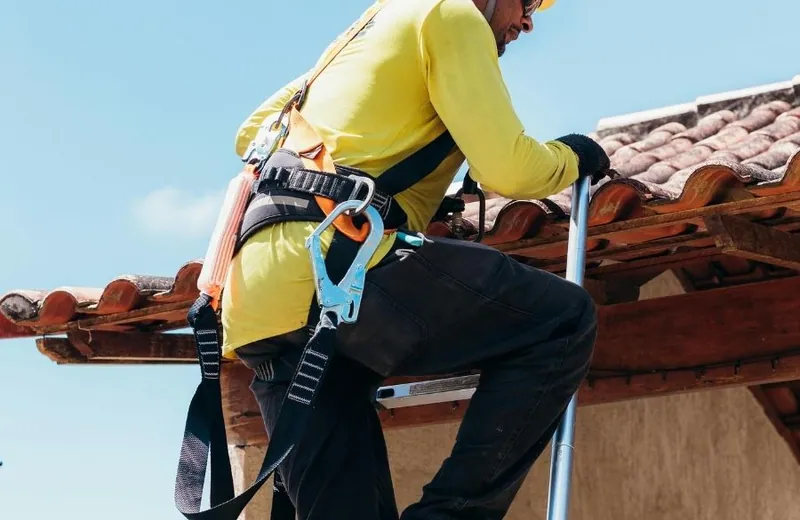
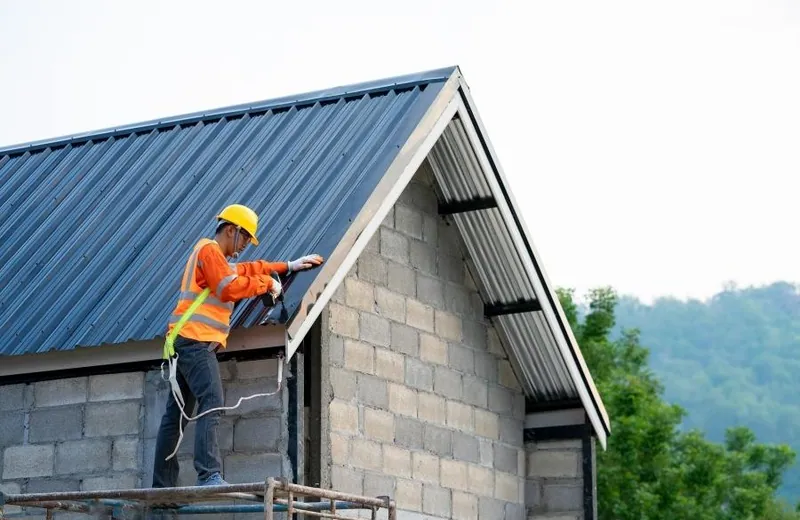
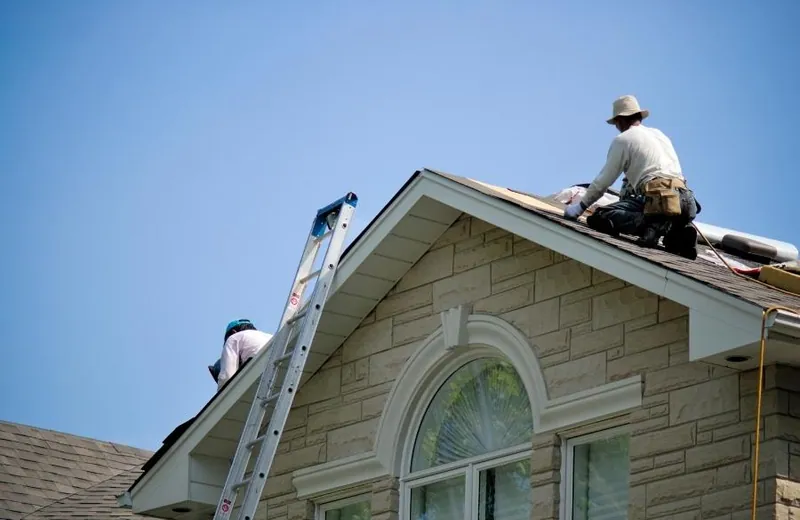
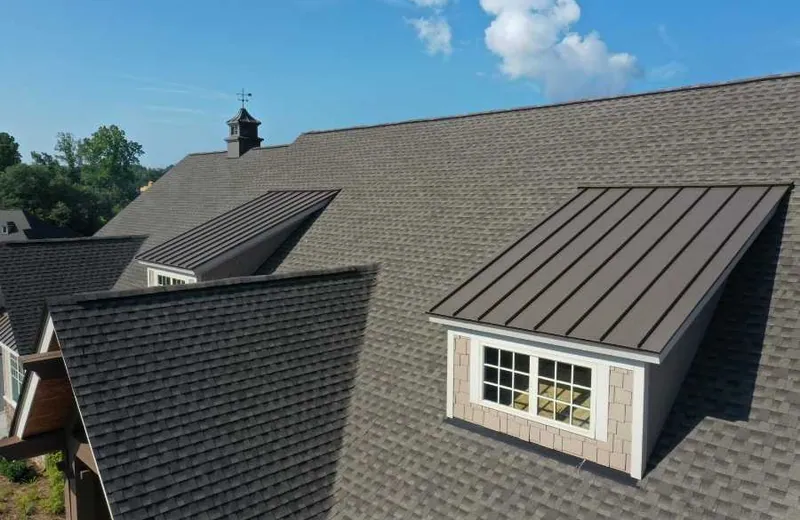
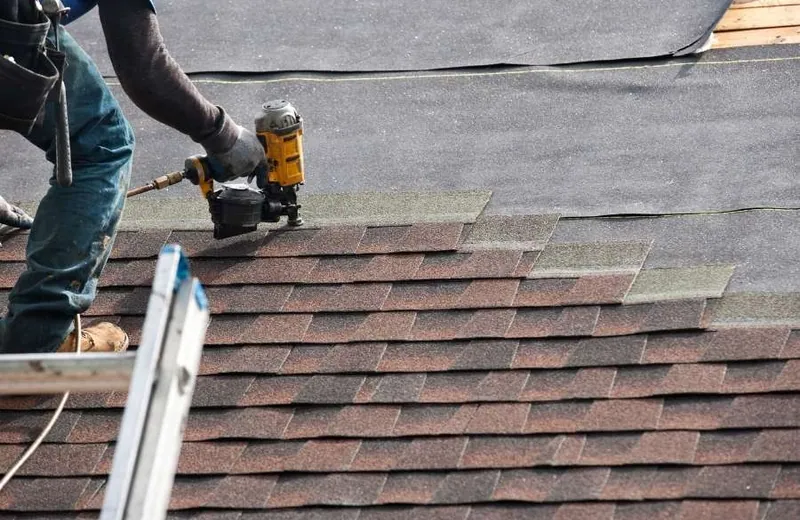
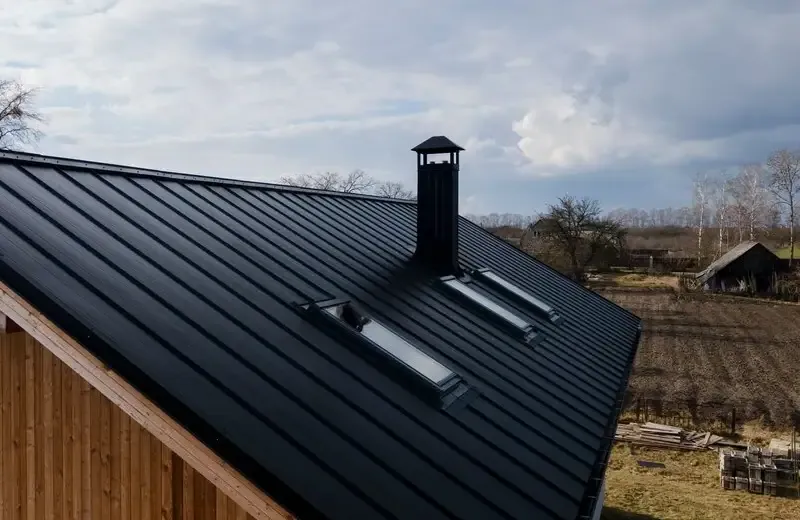
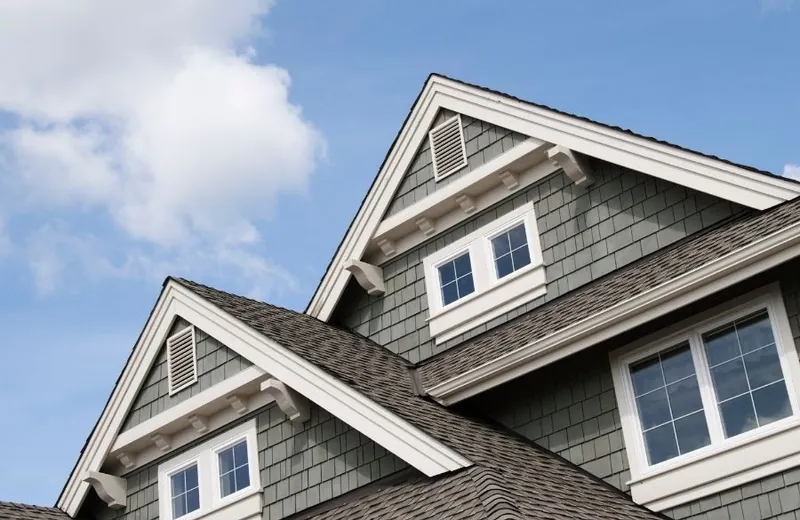
Recent roofing Projects in Wellesley Hills, MA

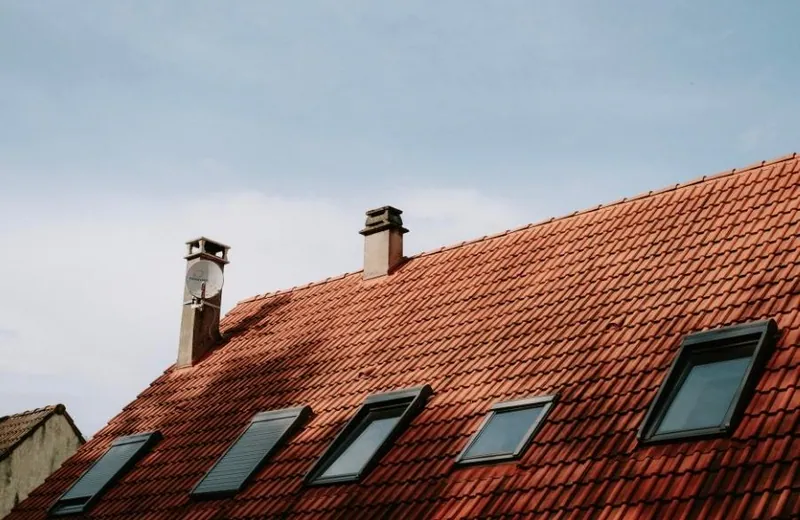
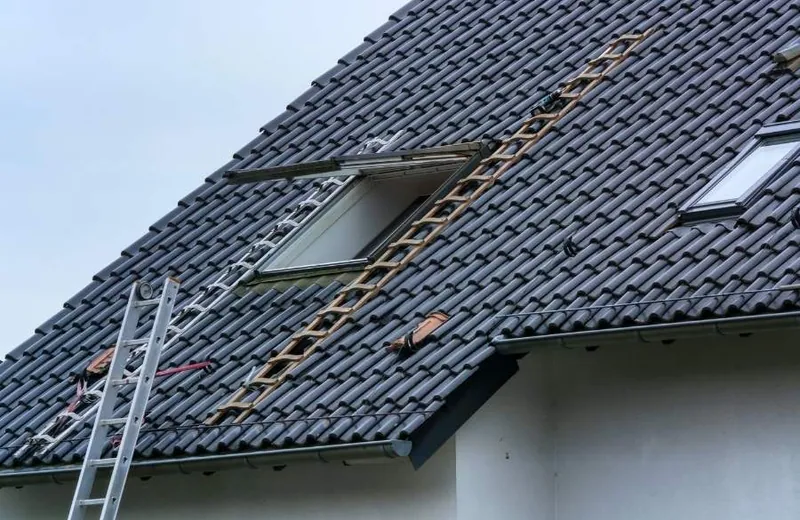
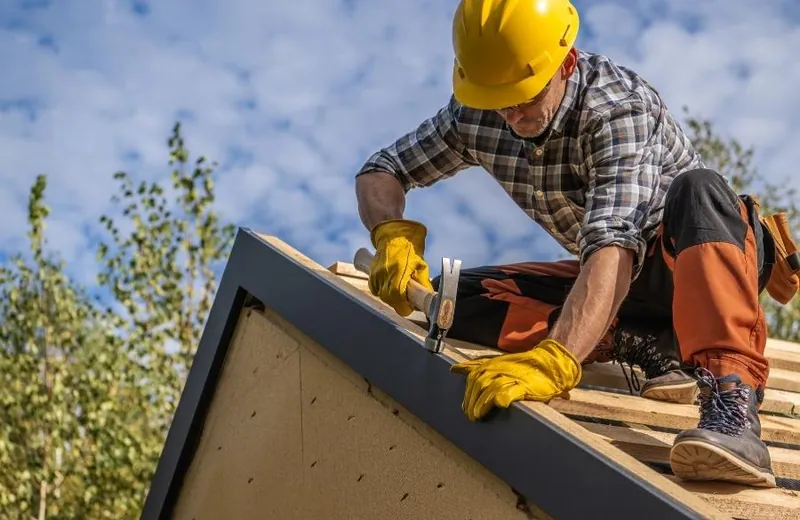
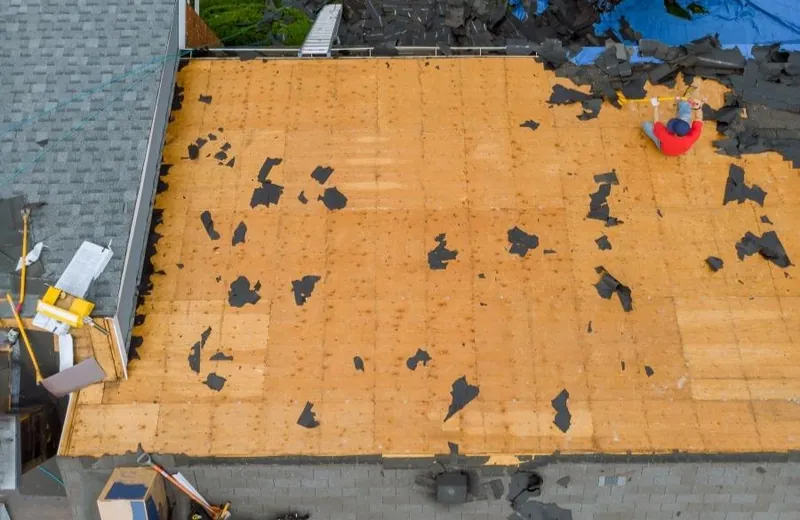
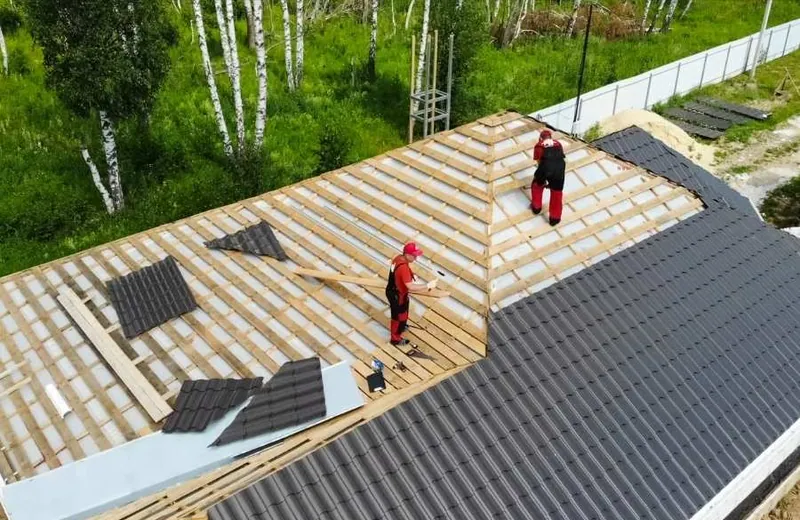
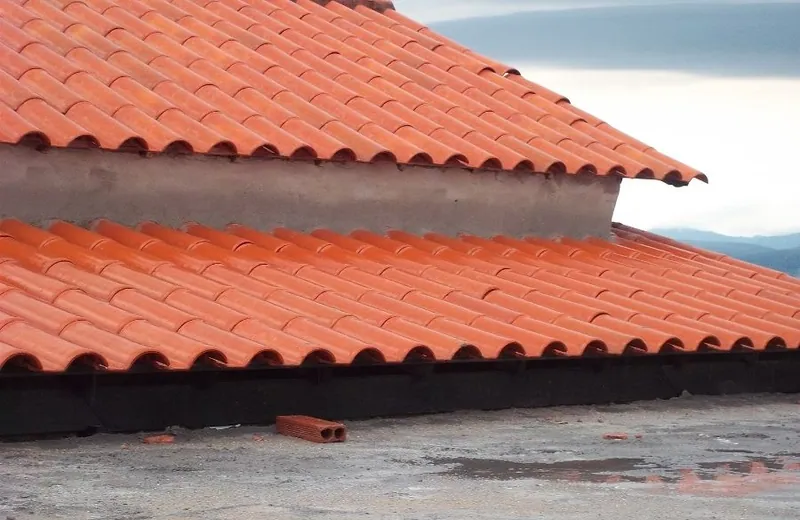
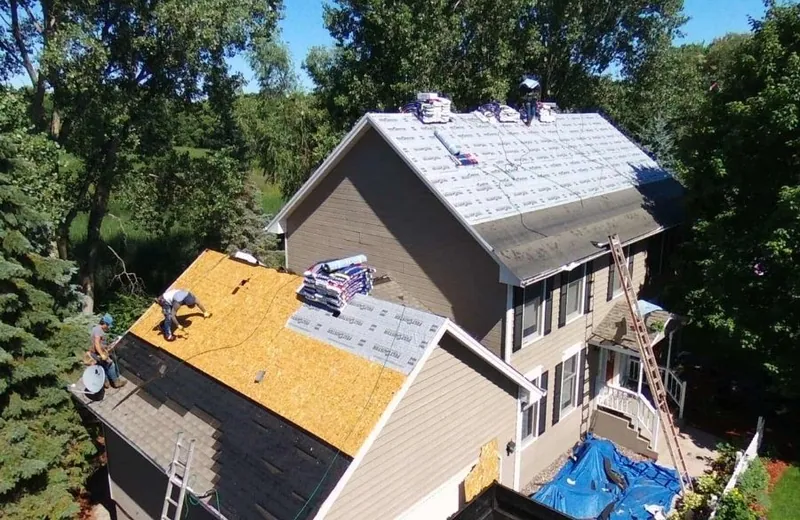
Roofing FAQs for Wellesley Hills Homeowners
How much does a new roof cost in Wellesley Hills?
For most homes here, an architectural shingle replacement runs roughly $16,000 to $28,000 for a smaller Cape or ranch and $32,000 to $60,000 or more for a large, steep colonial with dormers and valleys. Standing-seam metal and cedar cost more. Natural slate and copper roofs on big homes can reach six figures. Your final price depends on roof size, pitch, how many layers need to come off, decking repairs, flashing and ventilation work. After an inspection, we'll give you a detailed written proposal with each item spelled out. Financing is available.
How long does a roof replacement take?
Most asphalt shingle replacements on single-family homes take one to three days once work starts. Large, complex roofs with many planes take longer, and slate, cedar or copper projects can run one to three weeks or more. Before work starts, permits usually take a few days to a couple of weeks depending on the town, and historic district reviews can add several weeks. Spring and fall fill up quickly around Greater Boston, so contacting us early in the season helps you get on the schedule you want.
Do I need a permit to replace my roof in Wellesley or Needham?
Yes, in most cases. Massachusetts follows the 780 CMR building code, and reroofing generally needs a building permit from your local building department. That applies in Wellesley, Needham, Newton, Natick and every town we serve. Code also requires ice barrier membrane at least 24 inches inside the exterior wall line and limits asphalt roofs to two layers. If your home is in a local historic district, like Wellesley's Cottage Street district or one of Newton's districts, you may also need a certificate of appropriateness. We handle the permit and help with historic paperwork.
Why do I keep getting ice dams, and will a new roof fix them?
Ice dams form when heat escaping into your attic melts snow on the upper roof, and the water refreezes at the cold eaves. The cause is usually insufficient insulation, air leaks and poor ventilation, not the shingles themselves. That's why a new roof by itself often doesn't solve the problem. We install ice and water barrier on every project to protect against backup, and we look at soffit and ridge ventilation, baffles and air sealing. Fixing the attic is what actually stops the cycle, and Mass Save incentives may help with insulation.
When should I call about a roof problem instead of waiting until spring?
Call right away if you see water coming through a ceiling, ice backing up behind gutters, missing shingles after a storm or a limb on the roof. Small leaks spread into insulation, drywall and framing fast, and mold can follow. Emergency tarping and steam ice dam removal can be done in winter to limit damage. Non-urgent issues like a few cracked slates, streaking or aging shingles can be inspected anytime and scheduled for good weather. A roof older than 20 years is worth inspecting before winter.
Should I repair my slate roof or replace it?
Often, repair. Natural slate can last 75 to 150 years, and many original slate roofs in Wellesley Farms, Chestnut Hill and Belmont still have sound stone. Their failures come from rusted nails, worn flashing or a handful of broken slates. Matching replacement slates with hooks or copper nails and rebuilding the flashing can buy decades. Replacement makes sense when a large share of the slates are soft, flaking or delaminating, or when the deck underneath is failing. We'll inspect closely and give you an honest assessment before recommending anything.
How can I prevent roof damage between replacements?
Keep gutters clear, especially in fall when oak, maple and pine debris piles up. Clogged gutters make ice dams worse. Gutter guards help a lot on wooded lots. Trim limbs that overhang the roof. Have flashing, chimneys and skylights checked every few years, and treat moss before it lifts shingles. In the attic, make sure soffit vents aren't blocked by insulation. After major nor'easters, look for shingles in the yard. A periodic roof maintenance visit catches small issues before they turn into leaks.
Is metal roofing a good choice for Wellesley Hills winters?
It can be an excellent choice. Standing-seam metal sheds snow well, resists wind uplift and can last 40 to 70 years. It's also a strong base for solar panels. Snow slides off metal fast, so we install snow guards above entrances, walkways and plantings. Metal is popular on porch roofs, additions, modern homes in Lincoln and Weston, and farmhouse-style homes. On historic homes in local districts, material changes on visible elevations may need commission approval, so we'll help you weigh that early.
Serving Wellesley Hills, MA & Nearby
Schedule Your Wellesley Hills Roof Inspection
Whether it's an ice dam leak, a cracked slate or a roof that's simply done, the first step is a thorough inspection. Let's find out exactly what your roof needs before winter does.
- ✓Thorough inspection of the roof, flashing, gutters and attic ventilation
- ✓Detailed written proposal with clear line items
- ✓Ice and water barrier and careful flashing on every project
- ✓Permit handling with your local building department
- ✓Respectful crews who protect landscaping, stone walls and hardscapes
- ✓Bonded and insured for your peace of mind
- ✓Financing available for repairs and replacements
⚡ Leaking after a storm or ice dam? We provide emergency roof repair, tarping and ice dam removal to stop water damage fast. Call now.
Bonded • Insured